Friday, September 23, 2011
How to Sell Your Book in Book Stores
Sunday, December 5, 2010
Writing a Book That Sells
So you have decided you want to write a book, but the important thing is to write a book that will sell. There are some easy tips to writing an interesting book that readers won't be able to keep their hands off.Type of book to write. Focus on something that will interest a broad market of people. Usually non-fiction works best for new authors. Write your non-fiction, self-help book first since it is more of a moneymaker for new authors, so you can finance your other efforts.
Have passion about your topic. A common refrain in writing circles is to "write what you know." Research might seem like a daunting undertaking, but if you have enough interest in the subject that you want to write about it, then you shouldn't worry. Finding someone who does know about the subject and talking with them about it is a way to learn more without having to brave dry, boring tomes. Getting a personal, human touch to the information may even provide some inspiration, or a story you can give as an example.
Knowing your audience. Know your audience before your write your book to keep it organized, flowing, and compelling. Write something interesting that will fulfill their needs and wants. When writing a book, don't write it for yourself. Write to serve your public. Write what your readers want to read. Your subject must benefit your audience or they won't buy your book. To successfully sell your book, you need to know your audience. Who do you intend to read this masterpiece? If you don't write it with them in mind, chances are they won't be interested.
Regular writing schedule. Remember that a book doesn't finish itself. A page a day equals a book a year. Think about your circumstances and evaluate your effort in finishing your book. Commit yourself to a schedule.
Appealing to eyes. Consider writing a book that has as many pictures of illustrations as your budget can afford. Eye appeal in a non-fiction book creates sales. That is one of the reasons tabletop photography books do so well. They are appealing to the eye and make great gifts which will help generate interest in your book and word of mouth about your book will help marketing and sales.
Avoid heavy subjects. Subjects such as controversial topics, social commentaries and scientific theories fall into a niche market, serving only those who agree with your theories and will gain you much unwanted criticism.
Book title. Make sure your book has a catchy title. Try to avoid boring and monotonous titles like, "How to Live Well", etc. An eye catching title that rolls off the tongue easily is a great starter for a good book.
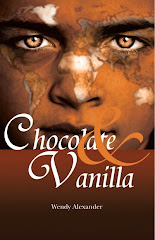
Book Cover. Think about hiring a professional designer for the cover of your book. While the saying goes "You should never judge a book by its cover", people do and they will judge your book by its cover. Find out what designs and images appeal to the target market, and design accordingly. For instance, business books do well with images of lifestyle and money; horror novels do well with an element of blood on the cover.
In the end, you will find you have written a book that sells and that generates an income for you.
© 2010 Bookpal Australia Pty Ltd - All Rights Reserved Worldwide
http://www.bookpal.com.au is helping self publishers all around the world to successfully self publish and market their books with cost effective solutions to create bestsellers. The website offers a free book for budding self publishers, and many other free resources. To learn more about how BookPal can help you to get your book published, please register now for your FREE Self-Publishing Consultation.
Terence Tam is the founder of Bookpal, he previously spent 6 years as an academic and was a contributing author for several academic books. Frustrated with the level of service he was getting with traditional publishers, he set up his own self publishing company to help other authors publish and market books with cost effective yet efficient solutions.
Wednesday, November 24, 2010
Getting Your Children's Book Published
Once you've written your first children's book, the next step would be having it published. Just like mainstream book publishing, there is a lot of competition with publishing a children's book so you need to be able to offer something creative and unique to publishing companies that other authors haven't been able to bring to the table.In getting your children's book ready for publishing, you need to consider the following:
Proofreading Your Manuscript
Be certain that there are no errors on your final manuscript, and have someone proofread your final work aside from yourself. In fact, having several people proofread it may be more beneficial.
Page Layout
Make sure your pages are double spaced with a one inch margin all the way around. Each page should not only have the page number, but also the title of the book and your name.
Print Copies
Once you have your manuscript perfected, you need to print out several copies that will ultimately be sent to publishers.
Research Available Publishers
Spend some time researching the available publishers, and plan to contact only the ones who publish children's books. Find a publisher willing to take a chance on a new writer. This can prove to be frustrating as the publishing market is inundated with children's book authors. The best thing is to do your homework first. Know about the publishers you are sending your work to. What do they typically look for when selecting a children's book to publish? Familiarize yourself as well with the company's submission requirements.
Write a Cover Letter
Write a compelling cover letter as to why they should consider your book and what sets it apart from others. Remember this will be the first impression, so make it good.
Send Out Your Manuscript
Once you have done your homework, start sending out your book to potential publishers. For first time authors, it is probably best to stick to smaller publishing houses or local companies. With each manuscript that you send, make sure you follow each publisher's requirements to the letter. Send your manuscript to each publisher, making sure that you address the envelope according to the guidelines.
Keeping Track
Keep a record as to which publishers you've written, the date, and other pertinent information. Once several months have passed since you sent the original manuscript, you can write a brief, polite letter informing them you sent a manuscript and you hope they'd received it. In order to make correspondence easier, include a self addressed stamped envelope.
Now the hardest part is the waiting. Publishers get thousands of manuscripts every day from known authors as well as unknown authors. Be patient if you don't hear anything at first. If you have a good story, you will eventually get a reply.
If it takes a while, don't become discouraged. The publishers have many manuscripts to read, but in the meantime you can continue to send out manuscripts to other publishing companies in hopes of one of them finding interest in your book.
2010 Bookpal Australia Pty Ltd - All Rights Reserved Worldwide
http://www.Bookpal.com.au is helping self publishers all around the world to successfully self publish and market their books with cost effective solutions to create bestsellers. The website offers a free book for budding self publishers, and many other free resources.
Wednesday, September 22, 2010
Self Publishing: Truths & Lies
Are you anxious to get your book published? Being anxious to see your work bound and printed is a feeling that all authors have experienced at some point or another, but being too anxious may result in poor decisions that you’ll regret later. So before you join the bandwagon in self publishing your book, let us consider the truths and lies about self publishing.
Lie: Self publishing is expensive. Some writers and authors say that starting with your own cost too much financially.
Truth: Self publishing is easy and affordable. Contrary to the popular belief among new authors, self publishing isn’t hard to break in to and cost little too. Since self-publishing is an evolving industry with lots of competitors, publishers are continually upgrading their facilities, offering higher quality services, and affordable pricing at your convenience.
Here's how it works. You select a size for your book, format your Word manuscript to fit that size, turn your Word doc into a PDF, create some cover art in Photoshop, turn that into a PDF, and upload it all to the self-publisher of your choosing. Depending on the level of service you choose, it can be as easy as uploaded an unformatted word document to the self-publishing service provider, and voila! They produce a completed book for you!
Lie: Self publishing companies offer low-quality services.
Truth: Self publishing firms are here to stay. They have been in business for quite sometime now and are continually changing for the better offering high-quality services for new authors like you. The standard of many self publishing companies are quite solid. The sole giveaway that you are offering a self-published book would be if the cover were poorly designed so you have to make sure the company you work with has a great track record to back them up such as testimonials/ feedbacks from their clients.
Lie: All self-publishing companies don't care whether you believe they're your ticket to instant fame and fortune. They will make you believe how easy it is to make it to Oprah’s book club.
Truth: A reputable, honest self-publishing company will tactfully attempt to manage your expectations. They will inform you that it's nearly impossible to make Oprah's book club even if you're traditionally published. They'll explain how much sweat and toil it would take to sell any copies of your book at all once it's published but will assure you of their support and assistance in marketing your book.
Lie: Your book will sell right away as soon as it’s off from the printing press.
Truth: Even if your book is great, there's a great chance it will not sell. Book sales will be slow at first which is very common among new authors. This is where your marketing plan comes into effect. Don’t give up, persistence is the key to sales when you self publish a book.
Lie: Only use services of big publishing companies.
Truth: Should you elect to self-publish, you're encouraged to shop around. The big guys aren't always your best bet. Many smaller publishers offer excellent service at affordable prices. It all depends on your needs and how much assistance you are looking for.
Self publishing is easier to learn than you may think if you take the time and do your research and take things one step at a time.
To continue reading click here...
© 2010 Bookpal Australia Pty Ltd - All Rights Reserved Worldwide
http://www.Bookpal.com.au/ is helping self publishers all around the world to successfully self publish and market their books with cost effective solutions to create bestsellers. The website offers a free book for budding self publishers, and many other free resources.
Terence Tam is the founder of Bookpal, he previously spent 6 years as an academic and was a contributing author for several academic books. Frustrated with the level of service he was getting with traditional publishers, he set up his own self publishing company to help other authors publish and market books with cost effective yet efficient solutions.